
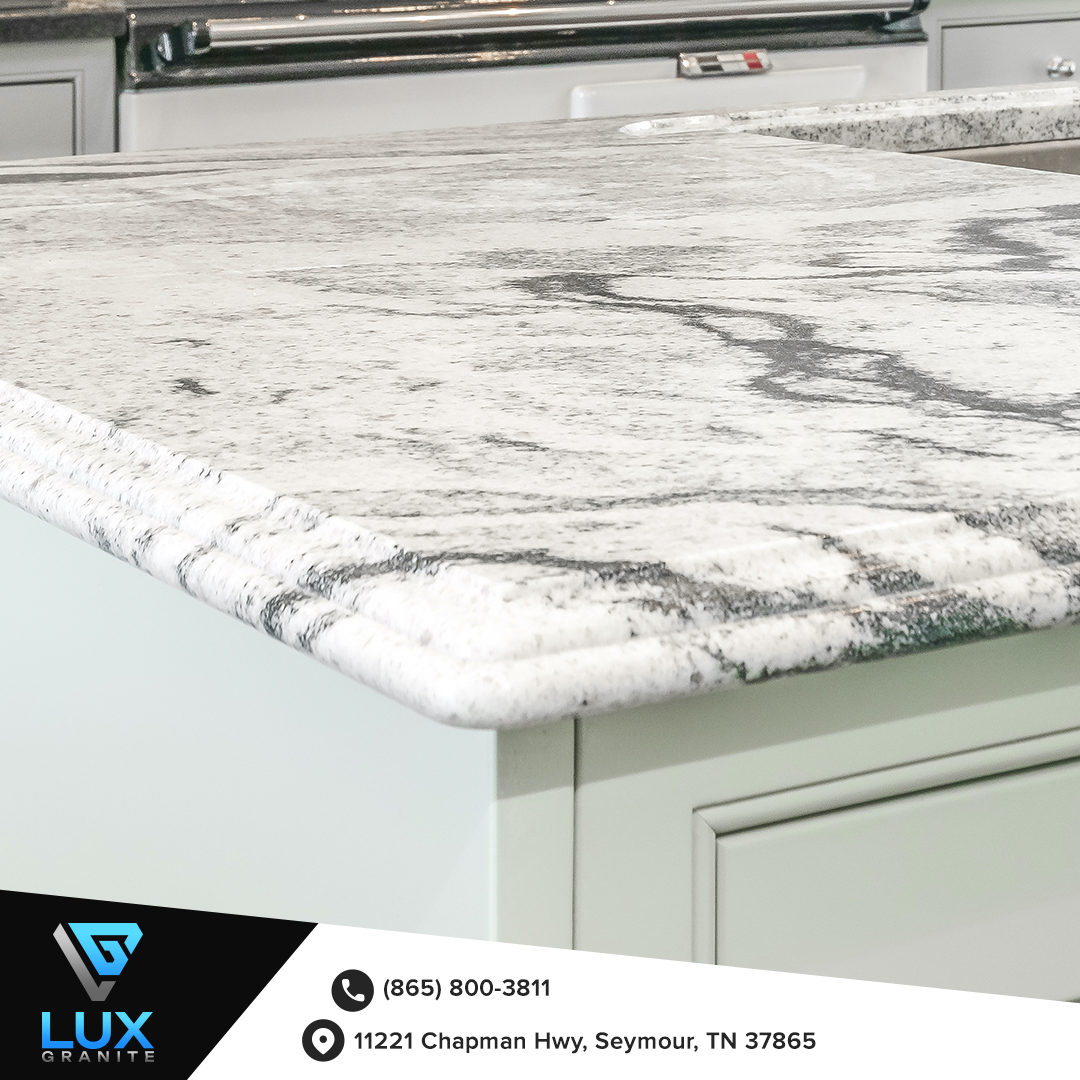
Choosing the right natural stone for your home is a significant decision that can affect both the aesthetics and functionality of your space. With a wide variety of options available, from granite to marble to quartzite, it’s essential to understand the characteristics and benefits of each type to make an informed choice. This comprehensive guide will help you navigate the selection process for kitchen countertops in Seymour, TN, ensuring that you find the perfect stone to suit your needs. Additionally, we will address four popular questions about selecting natural stone. For expert advice and high-quality materials, LUX Granite of Seymour is your go-to source.
Understanding Different Types of Natural Stone
Granite:
Granite is one of the most popular choices for kitchen countertops due to its durability, variety of colors, and unique patterns. It is an igneous rock formed from molten lava, which gives it exceptional hardness and resistance to heat, scratches, and stains. Granite countertops add a touch of luxury and elegance to any kitchen, making them a favorite among homeowners.
Marble:
Marble is a metamorphic rock known for its timeless beauty and classic veining. It is softer and more porous than granite, which makes it more susceptible to scratches and stains. However, its luxurious appearance makes it a popular choice for areas where aesthetics are a priority, such as bathroom vanities and fireplace surrounds.
Quartzite:
Quartzite is a natural stone that combines the durability of granite with the aesthetic appeal of marble. It is formed from sandstone and undergoes a natural process of recrystallization, making it incredibly hard and resistant to heat and scratches. Quartzite is an excellent choice for kitchen countertops due to its strength and beauty.
Expert Insight: LUX Granite of Seymour emphasizes that each type of natural stone offers unique benefits and aesthetics, making it essential to consider your specific needs and preferences when selecting a stone for your home.

Factors to Consider When Choosing Natural Stone
1. Durability and Maintenance:
The durability of natural stone is a crucial factor to consider, especially for high-traffic areas like kitchen countertops. Granite and quartzite are known for their hardness and resistance to scratches and heat, making them ideal for busy kitchens. Marble, while beautiful, requires more maintenance and is better suited for areas with less heavy use.
Maintenance Requirements:
- Granite: Requires sealing every 6-12 months to maintain its resistance to stains.
- Marble: Needs more frequent sealing, every 3-6 months, and careful cleaning to avoid etching.
- Quartzite: Similar to granite in maintenance, with sealing recommended every 6-12 months.
- Soapstone: Does not require sealing but benefits from regular applications of mineral oil to maintain its appearance.
Expert Insight: LUX Granite of Seymour advises homeowners to consider their lifestyle and willingness to perform regular maintenance when choosing a natural stone. Proper care and maintenance will ensure the longevity and beauty of your countertops.
2. Aesthetics and Design:
The visual appeal of natural stone is a significant factor in the selection process. Each type of stone offers a unique look, from the bold patterns of granite to the elegant veining of marble.
Granite:
- Variety of Colors: Granite is available in a wide range of colors, from deep blacks and greens to vibrant reds and blues.
- Unique Patterns: Each slab of granite is unique, offering one-of-a-kind beauty to your kitchen.
Marble:
- Classic Veining: Marble is known for its elegant veining, which adds a touch of sophistication to any space.
- Luxurious Appearance: Marble’s timeless beauty makes it a favorite for high-end designs.
Quartzite:
- Marble-Like Appearance: Quartzite offers the look of marble with the durability of granite.
- Wide Range of Colors: Available in various colors and patterns, quartzite can complement any design style.
Expert Insight: LUX Granite of Seymour recommends visiting their showroom to see the different types of natural stone in person. This hands-on approach can help you visualize how each stone will look in your home and make a more informed decision.
3. Cost:
The cost of natural stone countertops varies based on the type of stone, its rarity, and the complexity of the installation. Granite and quartzite are generally more expensive due to their durability and unique patterns. Marble can be costly, especially for rare and exotic varieties. Soapstone is typically less expensive than granite and marble but still offers a beautiful and durable option.
Granite:
- Varies Widely: Prices range based on color, rarity, and origin.
- Worth the Investment: Granite’s durability and beauty make it a worthwhile investment.
Marble:
- Can Be Expensive: Costs vary, with high-end marble being particularly pricey.
- Luxurious Appeal: Many homeowners find the investment justified by marble’s elegant appearance.
Quartzite:
- Comparable to Granite: Prices are similar to high-end granite due to its durability and aesthetic appeal.
Expert Insight: LUX Granite of Seymour advises homeowners to consider both the initial cost and long-term value when selecting natural stone countertops. Investing in high-quality materials can enhance the beauty and functionality of your home for years to come.
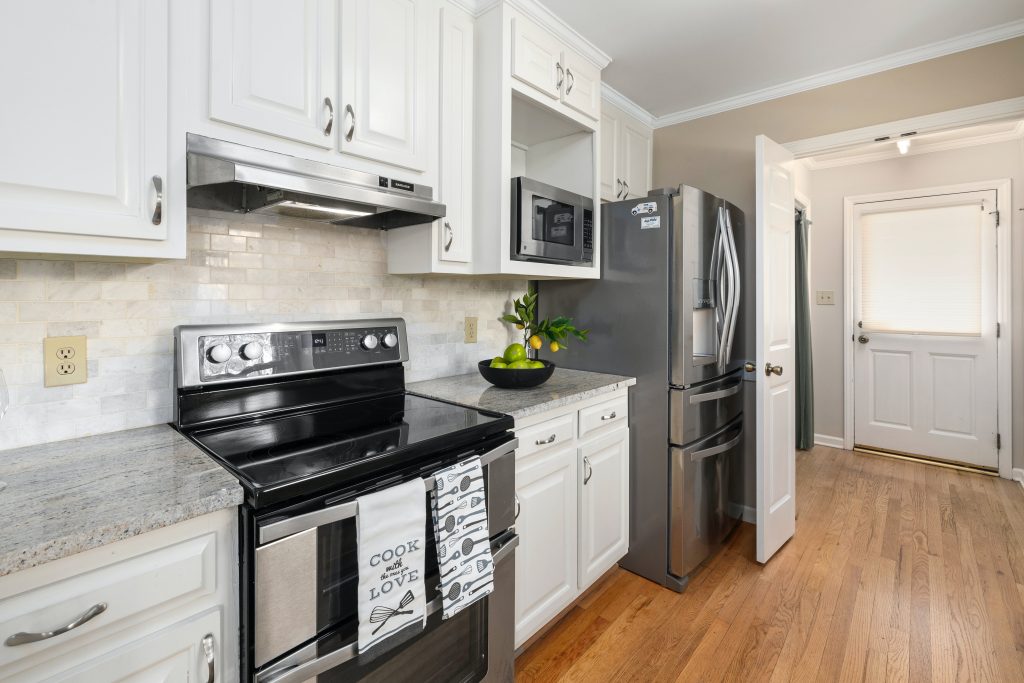
4. Environmental Impact:
Sustainability is an increasingly important consideration for homeowners. Natural stone is a sustainable choice due to its longevity and the environmentally friendly quarrying practices used by many suppliers. Additionally, natural stone countertops can be recycled or repurposed at the end of their life cycle.
Granite:
- Sustainable Choice: Granite is durable and long-lasting, reducing the need for replacements.
- Environmentally Friendly Quarrying: Many suppliers follow sustainable quarrying practices.
Marble:
- Timeless Beauty: Marble’s longevity makes it a sustainable option for homeowners.
- Recyclable: Marble can be repurposed or recycled, reducing its environmental impact.
Quartzite:
- Natural and Durable: Quartzite’s natural formation and durability make it an environmentally friendly choice.
Expert Insight: LUX Granite of Seymour highlights the importance of choosing natural stone from suppliers who follow environmentally friendly practices. This ensures that your countertops not only enhance your home but also support sustainable development.
Popular Questions About Choosing Natural Stone for Your Home
1. How Do I Choose the Right Natural Stone for My Kitchen Countertops?
Answer: When selecting natural stone for your kitchen countertops, consider the following factors:
- Durability: Choose a stone that can withstand the rigors of daily use. Granite and quartzite are excellent options for high-traffic kitchens due to their hardness and resistance to scratches and heat.
- Maintenance: Consider the level of maintenance you are willing to commit to. Granite and quartzite require less frequent sealing than marble, making them more practical for busy kitchens.
- Aesthetics: Select a stone that complements your kitchen’s design. Visit a showroom to see different stones in person and get a feel for their appearance.
- Cost: Determine your budget and find a stone that offers the best balance of beauty, durability, and affordability.
Expert Insight: LUX Granite of Seymour recommends granite or quartzite for kitchen countertops due to their durability and low maintenance requirements. Their team can help you select the perfect stone to match your kitchen’s style and needs.
2. How Often Do I Need to Seal My Natural Stone Countertops?
Answer: The frequency of sealing depends on the type of stone and its use:
- Granite: Seal every 6-12 months to maintain its resistance to stains.
- Marble: Seal every 3-6 months to protect against etching and stains.
- Quartzite: Seal every 6-12 months, similar to granite.
Expert Insight: LUX Granite of Seymour advises regular sealing and maintenance to ensure the longevity and beauty of your natural stone countertops. Their professional sealing services can help keep your countertops in top condition.
3. Are Natural Stone Countertops Durable and Scratch-Resistant?
Answer: Yes, natural stone countertops are durable and scratch-resistant, but the degree varies by type:
- Granite: Highly durable and scratch-resistant, making it ideal for high-traffic areas.
- Marble: Durable but more prone to scratches and etching. Best suited for areas with less heavy use.
- Quartzite: Extremely durable and scratch-resistant, similar to granite.
Expert Insight: LUX Granite of Seymour highlights that granite and quartzite are particularly well-suited for kitchens due to their superior durability and resistance to scratches.
4. Can Natural Stone Countertops Handle Heat from Hot Pots and Pans?
Answer: Yes, natural stone countertops can handle heat from hot pots and pans, but it’s best to use trivets or hot pads:
- Granite: Highly heat-resistant and can handle direct heat.
- Marble: Less heat-resistant than granite. Use trivets to prevent thermal shock.
- Quartzite: Highly heat-resistant, similar to granite.
Expert Insight: LUX Granite of Seymour recommends using trivets or hot pads to protect all types of natural stone countertops from potential thermal shock and maintain their appearance.
Conclusion
Choosing the right natural stone for your home involves considering factors such as durability, maintenance, aesthetics, cost, and environmental impact. Each type of stone offers unique benefits and can enhance the beauty and functionality of your space. For those in Seymour, TN, looking for high-quality kitchen countertops, LUX Granite of Seymour provides expert guidance and a wide selection of natural stones to meet your needs.
By understanding the differences between granite, marble, quartzite, and soapstone, and addressing popular questions about selecting and maintaining natural stone countertops, you can make an informed decision that suits your lifestyle and preferences. Whether you prioritize durability, low maintenance, or luxurious aesthetics, investing in high-quality natural stone countertops will enhance the value and enjoyment of your home for years to come.