
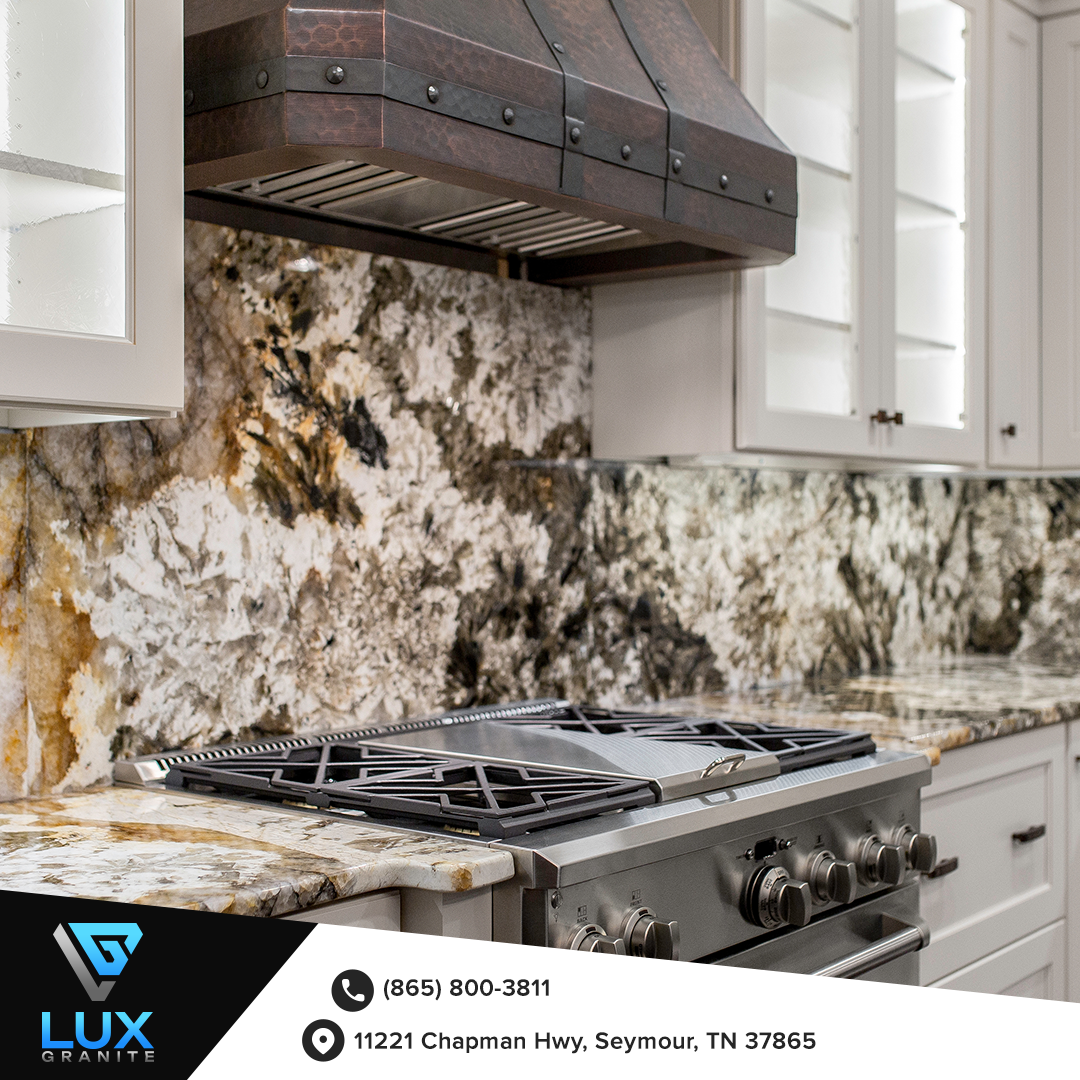
Natural stone countertops, such as granite, marble, and quartzite, are known for their beauty, durability, and ability to elevate any kitchen or bathroom space. However, to maintain their stunning appearance and protect them from potential damage, it is crucial to seal them regularly. Sealing natural stone countertops is a preventive measure that helps protect the stone from stains, spills, and everyday wear and tear. In this article, we will explore how often natural stone countertops need to be sealed, delve into the factors that influence sealing frequency, and provide insights on maintaining your countertops. If you are searching for granite countertop stores in Seymour, TN, this guide will help you understand the importance of sealing and how LUX Granite of Seymour can assist in ensuring your countertops remain in pristine condition.

Understanding the Importance of Sealing Natural Stone Countertops
Why is sealing necessary for natural stone countertops?
Natural stone, by its very nature, is porous, meaning it has tiny holes that can absorb liquids and other substances. Without a proper seal, substances like oil, wine, juice, and even water can penetrate the surface, leading to stains, etching, and other types of damage. Sealing creates a protective barrier that prevents these substances from seeping into the stone, thereby maintaining its appearance and extending its lifespan.
What types of natural stone countertops require sealing?
Not all natural stones have the same level of porosity. Granite, for instance, is less porous than marble, but it still requires sealing. Here’s a general guide:
- Granite: Typically less porous than marble but still requires regular sealing to protect against stains and damage.
- Marble: More porous and prone to staining and etching, requiring more frequent sealing.
- Quartzite: Similar to granite in terms of porosity but still benefits from sealing to maintain its appearance.
How Often Should Natural Stone Countertops Be Sealed?
1. How often do granite countertops need to be sealed?
Granite countertops are a popular choice for kitchens and bathrooms due to their durability and aesthetic appeal. While granite is relatively less porous than other natural stones, it still requires sealing to protect against spills and stains. The general recommendation is to seal granite countertops once every 1 to 2 years. However, the frequency can vary depending on the type of granite, its usage, and the quality of the sealant used. For expert advice and sealing services, you can visit granite countertop stores in Seymour, TN, like LUX Granite of Seymour, where professionals can assess your countertops and recommend the best sealing schedule.
2. How can you tell if your countertops need to be sealed?
There’s a simple test you can perform to determine if your natural stone countertops need to be resealed:
- The Water Test: Pour a few drops of water on the countertop. If the water beads up, the seal is still effective. If the water soaks into the stone within a few minutes, it’s time to reseal. This test can be done every few months to ensure your countertops are adequately protected.
3. Are there different sealers for different types of stone?
Yes, different types of sealers are designed for various natural stones, and choosing the right one is crucial for effective protection. Here’s a breakdown:
- Penetrating Sealers: These sealers are absorbed into the stone, providing protection from within. They are ideal for granite, quartzite, and marble.
- Topical Sealers: These sealers form a protective layer on the surface of the stone. They are generally used for stones that are less porous but may need additional surface protection.
LUX Granite of Seymour offers a variety of sealers suited to different types of natural stone. Their experts can help you choose the right product to ensure maximum protection for your countertops.
4. Does sealing frequency depend on usage?
The frequency with which you need to seal your natural stone countertops can depend significantly on how they are used. Here’s how:
- High Traffic Areas: Countertops in high-traffic areas, such as kitchens, are exposed to frequent spills, heat, and heavy usage. These countertops may need to be sealed more often, possibly once a year.
- Low Traffic Areas: Countertops in less-used areas, such as guest bathrooms, may only need to be sealed every 2 to 3 years.
- Type of Use: If your countertops are used for activities that involve heavy contact with acidic substances (like cooking with citrus or vinegar), they may require more frequent sealing.
Maintenance Tips for Sealed Natural Stone Countertops
1. How should sealed countertops be cleaned?
Once your natural stone countertops are sealed, it’s important to maintain them properly to prolong the life of the seal and keep the stone looking its best:
- Daily Cleaning: Use a pH-neutral cleaner specifically designed for natural stone. Avoid harsh chemicals, bleach, or acidic cleaners, as they can wear down the sealant over time.
- Wipe Spills Immediately: Even with a good seal, it’s best to wipe up spills as soon as they happen to prevent potential damage.
- Use Soft Cloths or Sponges: Avoid using abrasive pads or brushes that can scratch the stone or degrade the sealant.
2. How can you enhance the longevity of your seal?
In addition to regular cleaning, there are a few other steps you can take to ensure your seal lasts as long as possible:
- Use Coasters and Trivets: Protect the surface from heat and stains by using coasters for drinks and trivets for hot pots and pans.
- Avoid Heavy Impact: Don’t place heavy items directly on the countertop or drop objects onto the surface, as this can damage both the stone and the seal.
Popular Questions Answered
1. How often should granite countertops be sealed?
Granite countertops generally need to be sealed once every 1 to 2 years. The frequency can vary based on the type of granite, the quality of the sealant used, and the amount of use the countertop receives. Perform the water test regularly to determine when it’s time to reseal.
2. Can I seal the countertops myself, or should I hire a professional?
While sealing countertops is a task many homeowners can do themselves, hiring a professional can ensure the job is done correctly. Professionals, like those at LUX Granite of Seymour, use high-quality sealants and have the expertise to apply them evenly, ensuring maximum protection for your countertops.
3. What happens if I don’t seal my natural stone countertops?
If natural stone countertops are not sealed, they are more susceptible to staining, etching, and other types of damage. Unsealed stone can absorb liquids and other substances, leading to permanent discoloration and the need for costly repairs or replacement.
4. How do I choose the right sealer for my countertops?
Choosing the right sealer depends on the type of natural stone you have and your specific needs. Penetrating sealers are ideal for most natural stones, while topical sealers can provide additional surface protection. For expert advice, visit granite countertop stores in Seymour, TN, like LUX Granite of Seymour, where professionals can help you select the best product for your countertops.
Conclusion
Sealing your natural stone countertops is an essential part of maintaining their beauty and durability. Whether you have granite, marble, or quartzite countertops, understanding the importance of sealing and knowing how often to do it can significantly extend the life of your countertops.
For homeowners in Seymour, TN, granite countertop stores like LUX Granite of Seymour offer expert sealing services and a wide range of products to ensure your countertops remain protected. Regular sealing, combined with proper cleaning and maintenance, will keep your natural stone countertops looking pristine and beautiful for years to come.
By following the tips and recommendations provided in this article, you can enjoy the timeless beauty of your natural stone countertops while protecting your investment. Whether you’re sealing your countertops yourself or seeking professional assistance, maintaining a regular sealing schedule is key to preserving the elegance and functionality of your kitchen or bathroom countertops.