
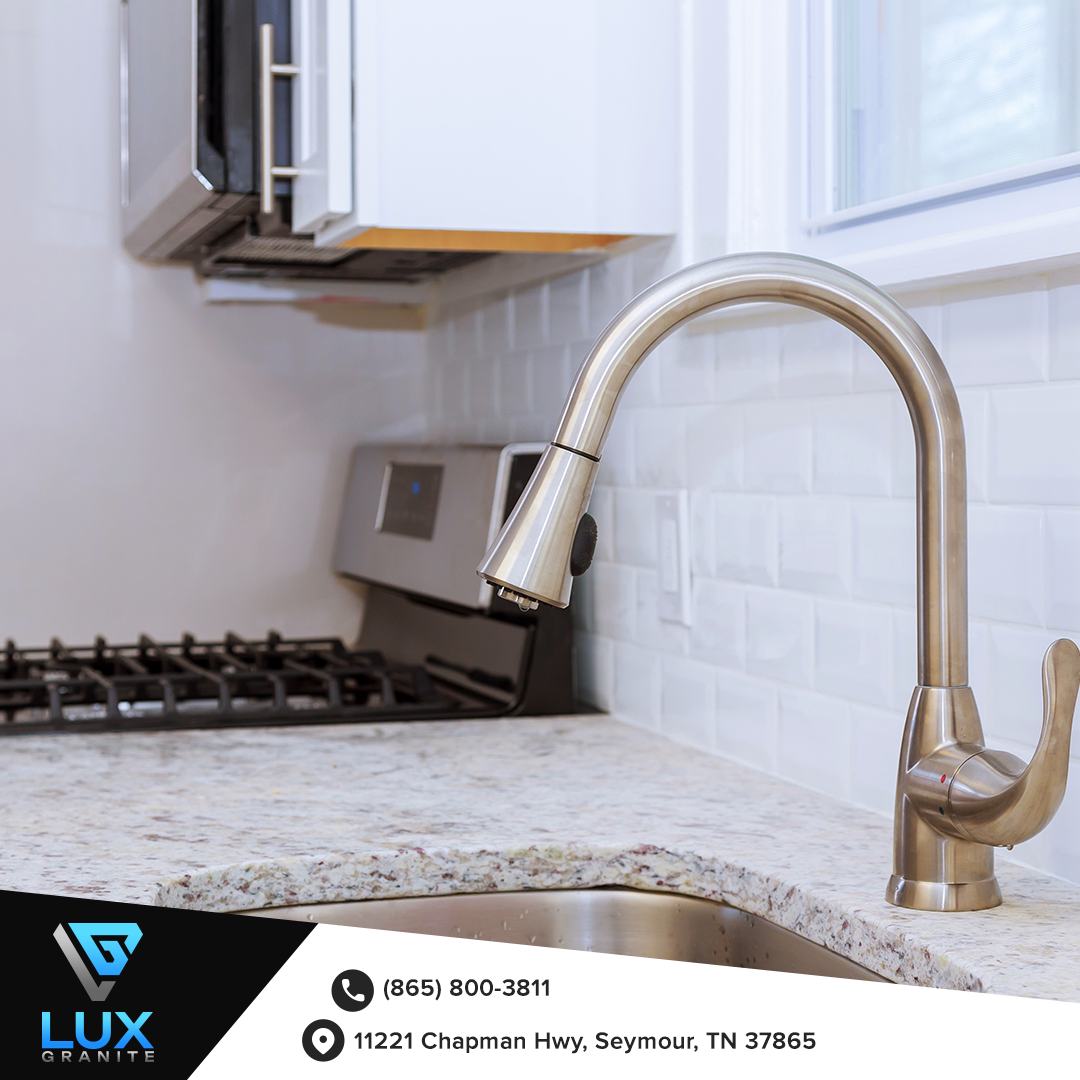
Choosing the right material for your kitchen countertops can be a daunting task, especially when you’re torn between two of the most popular natural stones: granite and marble. Both materials offer timeless beauty and can significantly enhance the aesthetic appeal of any kitchen. However, they have distinct differences that can impact your decision depending on your specific needs and preferences. In this article, we’ll explore the key differences between granite and marble, particularly for homeowners looking for kitchen countertops in Lenoir City, TN. We’ll also address some common questions to help you make an informed choice. LUX Granite of Seymour, a reputable provider in the region, offers insights into how to distinguish between these two beautiful stones.
Understanding Granite and Marble
Before diving into the differences, it’s essential to understand what granite and marble are and how they are formed. Both are natural stones, but they originate from different geological processes.
- Granite is an igneous rock formed from cooled magma deep within the earth’s crust. It is composed mainly of quartz, feldspar, and mica, which give it a distinctive speckled appearance and a wide range of colors. Granite is known for its hardness and durability, making it a popular choice for kitchen countertops.
- Marble, on the other hand, is a metamorphic rock that forms when limestone is subjected to high heat and pressure over a long period. This process causes the calcite in the limestone to recrystallize, resulting in the characteristic veining patterns of marble. Marble is prized for its elegant, smooth finish and classic look, but it is softer and more porous than granite.

How to Tell Granite from Marble: Key Differences
There are several ways to distinguish between granite and marble. Here are some key differences to help you identify each stone:
1. Appearance and Texture
One of the most noticeable differences between granite and marble is their appearance and texture.
- Granite typically has a speckled or grainy appearance due to the mix of minerals that form its composition. The color and pattern of granite can vary widely, from consistent and uniform to highly patterned with swirls or veins. Granite surfaces are usually more textured and can have a slightly rough feel depending on the finish.
- Marble is known for its smooth, soft texture and is usually more uniform in color with distinctive veining. The veins in marble are the result of impurities such as iron, clay, or silt that were present during the metamorphic process. Marble tends to have a more subtle, flowing appearance compared to the more granular look of granite.
When choosing kitchen countertops in Lenoir City, TN, consider the aesthetic you want to achieve. If you prefer a classic, elegant look with softer patterns, marble may be the better choice. For a bolder, more varied appearance, granite could be more suitable.
2. Durability and Hardness
Durability is a crucial factor when selecting a countertop material, particularly in high-traffic areas like the kitchen.
- Granite is one of the hardest natural stones, scoring a 6-7 on the Mohs scale of hardness. This makes it highly resistant to scratches and chips, which is why it’s a popular choice for kitchen countertops that endure heavy use. Granite’s durability also makes it resistant to heat, so placing hot pots and pans directly on the surface is less likely to cause damage.
- Marble, however, is softer, scoring around 3-5 on the Mohs scale. This makes marble more susceptible to scratches, chips, and etching from acidic substances like lemon juice or vinegar. While marble can still be used for kitchen countertops, it requires more careful handling and maintenance to keep it looking its best.
For those in Lenoir City, TN, looking for a material that withstands the rigors of everyday kitchen use, LUX Granite of Seymour recommends granite due to its superior hardness and durability.
3. Porosity and Stain Resistance
Both granite and marble are porous to some degree, but there are notable differences in their porosity and how they respond to staining.
- Granite is less porous than marble, making it more resistant to stains and moisture absorption. However, granite still needs to be sealed properly to prevent liquids from penetrating the surface, especially in a kitchen setting.
- Marble is more porous and can absorb liquids more easily, leading to stains. It is particularly vulnerable to acidic substances, which can cause etching—dull spots or marks on the surface. This makes marble less ideal for busy kitchens where spills are common unless a high level of care is maintained.
To maintain the beauty of kitchen countertops in Lenoir City, TN, LUX Granite of Seymour advises regular sealing of both granite and marble countertops. However, they note that marble will require more frequent sealing and care to prevent staining and etching.
4. Heat Resistance
Heat resistance is another important factor when choosing a countertop material.
- Granite is naturally heat resistant due to its formation under high temperatures deep within the Earth. You can place hot pots and pans directly on a granite countertop without worrying about damaging the surface, although using trivets is still recommended to avoid potential thermal shock or discoloration over time.
- Marble, while also resistant to heat, is more susceptible to thermal shock and potential cracking or discoloration from extreme temperature changes. It is advisable to use trivets and avoid placing hot items directly on marble countertops.
For those who frequently cook and bake, granite kitchen countertops offer a more robust and heat-resistant surface, making them an excellent choice for kitchen countertops in Lenoir City, TN.
Popular Questions About Granite and Marble Countertops
To help you further understand the differences between granite and marble, here are answers to some frequently asked questions:
1. Can Marble Be Used in a High-Traffic Kitchen?
While marble can be used in kitchens, it is better suited to areas that receive less traffic or for homeowners who do not mind the extra maintenance. Marble’s softer nature means it can scratch and etch more easily, which might not be ideal for a high-traffic kitchen where spills and heavy use are common.
If you love the look of marble but are concerned about durability, consider using it for areas like backsplashes, islands, or bathroom vanities instead of the main countertop space. LUX Granite of Seymour can provide guidance on where marble may be best utilized in your home.
2. Which Material is Easier to Maintain: Granite or Marble?
In terms of maintenance, granite is generally easier to care for than marble. Granite’s hardness and lower porosity make it more resistant to scratches and stains, meaning it requires less frequent sealing and special care.
Marble, while beautiful, requires more diligent care to avoid damage. Regular sealing, prompt cleanup of spills, and using cutting boards and trivets are necessary to keep marble looking its best.
For homeowners in Lenoir City, TN, who prefer a lower-maintenance option for their kitchen countertops, granite is often the recommended choice by LUX Granite of Seymour.

3. How Do I Clean and Maintain Granite and Marble Countertops?
Cleaning and maintaining both granite and marble countertops involve similar steps, but there are some differences to consider:
- Granite Countertops: Clean with a mild, pH-neutral cleaner or warm soapy water. Avoid abrasive cleaners or pads that can scratch the surface. Seal the countertop annually or as needed to protect against stains.
- Marble Countertops: Use a gentle, pH-neutral cleaner specifically designed for natural stone. Avoid acidic cleaners like vinegar or lemon juice, which can etch the marble. Marble requires more frequent sealing and prompt cleanup of spills to prevent stains and etching.
LUX Granite of Seymour offers products and services to help you maintain your kitchen countertops in Lenoir City, TN, ensuring they remain in pristine condition for years to come.
4. Which Material is More Expensive: Granite or Marble?
The cost of granite and marble countertops can vary widely depending on the quality, color, and rarity of the stone. Generally, marble tends to be more expensive than granite, particularly for rare colors or unique veining patterns. However, high-end granite can also be quite costly.
When considering the cost, it’s essential to factor in not only the initial price of the stone but also the long-term maintenance costs. Marble may require more upkeep over time, which can add to the overall expense.
For those on a budget looking for beautiful and durable kitchen countertops in Lenoir City, TN, LUX Granite of Seymour can help you find a granite or marble option that fits both your design preferences and budget.
Conclusion
When choosing between granite and marble for your kitchen countertops, understanding the key differences between the two materials is essential. Granite offers greater durability, heat resistance, and lower maintenance, making it ideal for high-traffic kitchens. Marble, while stunning in appearance, requires more care and is better suited for low-traffic areas or for homeowners who are prepared for regular maintenance.
For homeowners in Lenoir City, TN, both granite and marble can provide a beautiful and timeless look for your kitchen. LUX Granite of Seymour offers a wide selection of both granite and marble countertops, ensuring you find the perfect fit for your home. Whether you prefer the robust durability of granite or the classic elegance of marble, their team can help you make an informed decision and provide expert installation and care advice.
By considering your kitchen’s style, your lifestyle needs, and your willingness to maintain the countertops, you can choose the material that best suits your home and enjoy a stunning kitchen for years to come.