
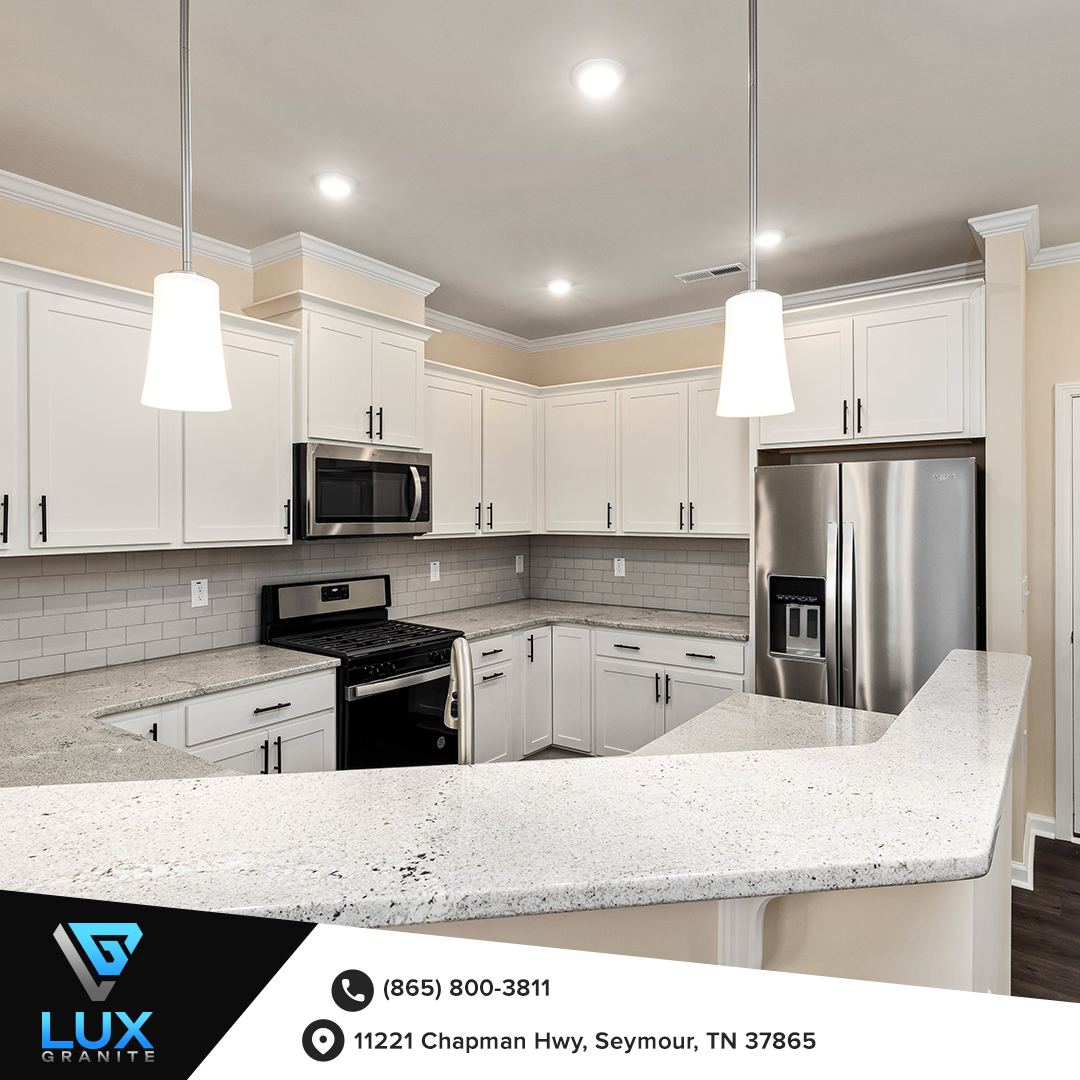
Quartz countertops have long been a popular choice for homeowners, offering durability, low maintenance, and a wide variety of color options. However, a new trend in countertop finishes has emerged in recent years—leathered quartz. This unique finish brings a textured, matte look that adds depth and character to kitchen and bathroom spaces. If you’re considering countertops in Gatlinburg, TN, and are intrigued by the leathered finish, it’s essential to understand its benefits and drawbacks to determine if it’s the right fit for your home. In this article, we’ll explore the pros and cons of leathered quartz countertops and answer some frequently asked questions to help you make an informed decision.
For those looking for professional installation of quartz countertops, LUX Granite of Seymour offers a range of quartz finishes, including the trending leathered finish. Whether you’re remodeling your kitchen or upgrading your bathroom, their team can guide you through the process to achieve a look that suits your style and functional needs.
What Is a Leathered Quartz Finish?
Leathered quartz is an alternative to the standard polished or honed quartz finishes. While polished quartz has a glossy, reflective surface and honed quartz offers a smooth matte finish, leathered quartz combines the best of both worlds. The leathering process involves brushing the quartz with diamond-tipped brushes to create a lightly textured surface. The result is a countertop that feels slightly rough to the touch, similar to leather, hence the name.
This textured finish highlights the stone’s natural colors and patterns, making the veins and grains more pronounced. The leathered finish also mutes the shine typically associated with polished quartz, creating a more understated and natural aesthetic.

The Pros of Leathered Quartz Countertops
1. Unique Aesthetic Appeal
One of the most significant advantages of leathered quartz is its distinct aesthetic. The matte, textured finish offers a rustic yet modern look, which is different from the sleek, shiny surfaces of polished quartz. This makes leathered quartz an excellent option for homeowners who want something unique and not overly glossy in their design. The textured surface gives the countertop a rich, dimensional appearance that enhances the natural beauty of the stone.
In homes across Gatlinburg, TN, leathered quartz is growing in popularity due to its ability to create an elegant yet organic vibe in kitchens and bathrooms. If you’re searching for countertops that stand out while maintaining a subtle charm, the leathered finish may be the perfect choice for your home.
2. Durability
Like all quartz countertops, leathered quartz is highly durable and resistant to common kitchen and bathroom wear and tear. The material is non-porous, making it impervious to stains, bacteria, and moisture—an essential feature in areas like kitchens where spills and moisture are frequent.
Leathered quartz is also less likely to show fingerprints, smudges, and watermarks than polished quartz. This makes it a great choice for busy households, as it reduces the amount of daily cleaning needed to maintain a pristine look. The texture hides small imperfections better than smoother finishes, making leathered quartz a practical option for families or high-traffic kitchens.
3. Low Maintenance
While quartz in general is known for being low maintenance, the leathered finish adds another layer of convenience. The textured surface is more forgiving when it comes to smudges and fingerprints, which are often more noticeable on polished surfaces. Cleaning leathered quartz countertops is as simple as wiping them down with a soft cloth, warm water, and mild dish soap. There is no need for special cleaners or frequent polishing, making it an ideal option for homeowners looking for easy upkeep.
4. Slip Resistance
Another practical advantage of leathered quartz is its slip-resistant surface. The textured finish provides more grip than a polished or honed surface, which can be particularly useful in wet areas like bathrooms. This feature also makes it a safer choice for kitchen islands or bar tops where items like plates, glasses, or even electronics are frequently placed.
The Cons of Leathered Quartz Countertops
While leathered quartz has many appealing qualities, there are also some potential drawbacks to consider.
1. Limited Color Options
One of the main drawbacks of leathered quartz is that it may not be as widely available in all colors or patterns compared to polished or honed quartz. The leathering process is typically done on select quartz slabs, so if you have a specific color or pattern in mind, your options may be more limited. For those who are flexible in terms of color choice, this may not be an issue, but it’s something to consider when exploring this finish.
Working with professionals like LUX Granite of Seymour can help you find the right options for leathered quartz that suit your design preferences. Their wide selection of countertops in Gatlinburg, TN, ensures you’ll have access to a variety of textures and finishes to meet your needs.
2. Higher Cost
Because the leathering process is more labor-intensive than producing polished or honed finishes, leathered quartz can sometimes come with a higher price tag. The cost will depend on the specific quartz slab you choose, the thickness of the material, and the complexity of the project. However, the additional cost is often worth it for homeowners looking for a unique, low-maintenance surface with added texture and depth.
If budget is a concern, LUX Granite of Seymour can help you explore options within your price range and recommend alternatives that still give you the desired aesthetic without overspending.
3. More Difficult to Clean
Although leathered quartz hides smudges and fingerprints well, the textured surface can make it slightly more challenging to clean compared to a smooth polished finish. Crumbs, dust, or dirt particles can sometimes get trapped in the grooves of the texture, requiring a bit more effort during routine cleaning. However, this is a minor inconvenience for many homeowners, as it typically only requires a little extra attention when wiping down the surface.
To make cleaning easier, it’s recommended to use a soft-bristled brush or a microfiber cloth to reach into the grooves when necessary. Regular maintenance will help keep the surface free from debris and maintain its textured beauty.
4. Less Reflective Surface
The matte nature of leathered quartz means it will not reflect light as much as polished quartz. For homeowners who prefer a shiny, glossy surface that bounces light around the room, leathered quartz may not deliver the same bright and reflective appearance. This could be a drawback if you’re trying to create a kitchen or bathroom with a more radiant, light-filled look.
However, if you prefer a subtler, more natural aesthetic, the matte finish of leathered quartz can create a soft, inviting atmosphere without overpowering the space.

Frequently Asked Questions About Leathered Quartz Countertops
1. Does leathered quartz require more maintenance than polished quartz?
No, leathered quartz does not require more maintenance than polished quartz. In fact, because the textured surface hides fingerprints and smudges more effectively, it may require less frequent cleaning. However, when cleaning, you might need to be more thorough to ensure crumbs or dust aren’t caught in the grooves of the texture.
2. Is leathered quartz more expensive than other finishes?
Leathered quartz can be slightly more expensive than polished or honed quartz due to the additional labor involved in creating the textured finish. However, the cost difference is generally minimal and can be well worth it for the unique look and added benefits of the leathered texture. LUX Granite of Seymour can help you find options that fit within your budget.
3. Can I use leathered quartz in the bathroom?
Yes, leathered quartz is an excellent option for bathroom countertops. The textured surface provides slip resistance, which is useful in wet areas like bathrooms. Additionally, because quartz is non-porous, it won’t absorb moisture or bacteria, making it a hygienic choice for bathrooms.
4. How do I clean and maintain leathered quartz countertops?
Leathered quartz countertops are low maintenance and can be cleaned with a soft cloth, warm water, and mild soap. For more thorough cleaning, a soft brush or microfiber cloth can help remove crumbs or debris from the grooves. Regular wiping and occasional deeper cleaning will keep your leathered quartz looking beautiful for years to come.
Conclusion
Leathered quartz countertops offer a unique and stylish alternative to traditional polished or honed finishes. Their matte, textured surface adds depth and character to any space, while still providing the durability and low maintenance that quartz is known for. While there are some potential drawbacks, such as limited color availability and a higher price point, the pros often outweigh the cons for homeowners looking for a modern yet rustic look.
If you’re considering countertops in Gatlinburg, TN, leathered quartz could be the perfect choice for your home. With its unique texture, durability, and aesthetic appeal, it’s a trend that is quickly gaining popularity. For professional guidance and installation, LUX Granite of Seymour offers a wide selection of leathered quartz options and can help you choose the right countertop to fit your style and budget.