
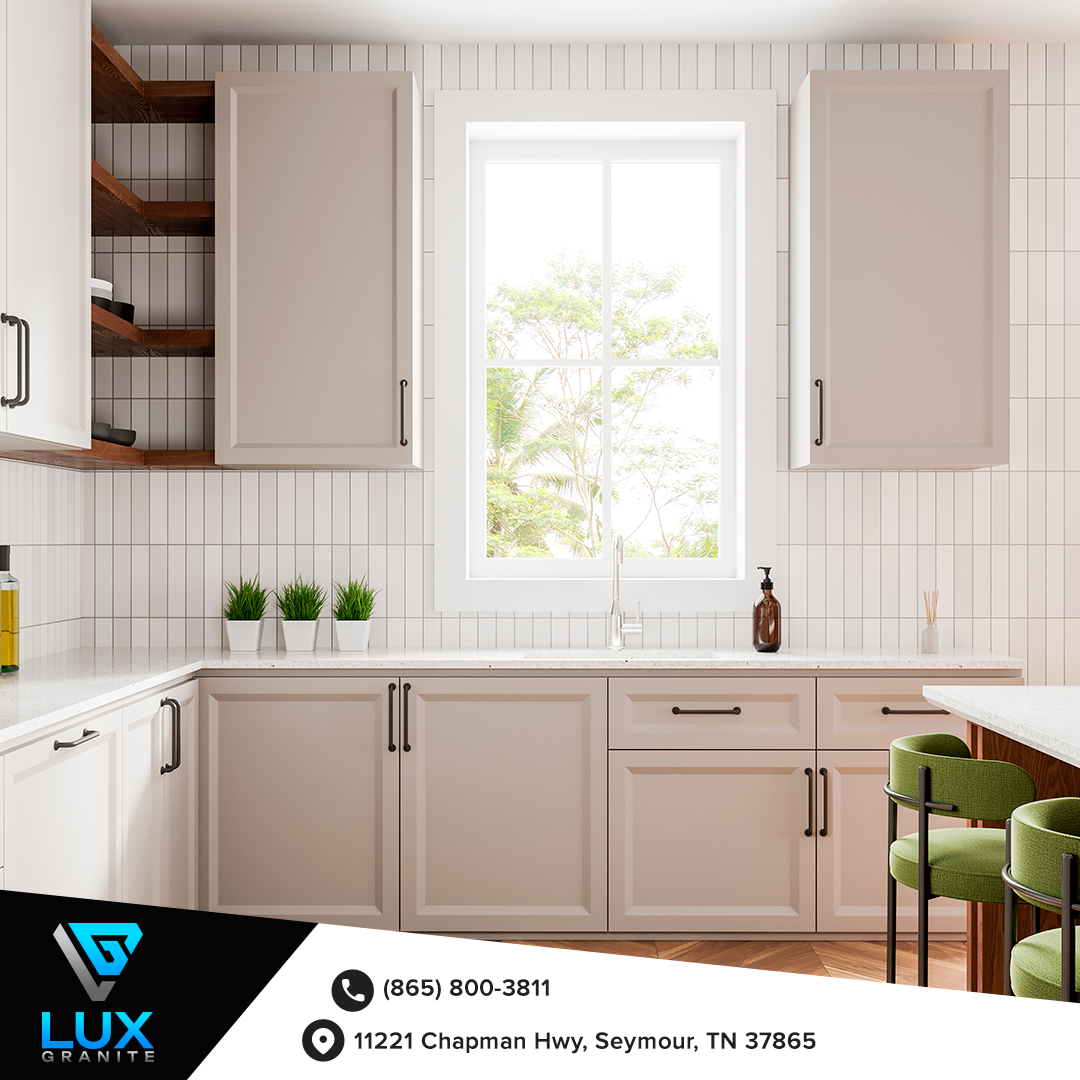
Granite countertops have long been a symbol of luxury and durability in kitchens and bathrooms across the world. Their rich textures, timeless beauty, and incredible strength make them a go-to choice for homeowners looking to upgrade their spaces. But when selecting granite countertops, one factor that often gets overlooked is the thickness. The thickness of granite countertops not only influences their appearance but also their durability and cost. Additionally, the ability to customize thickness offers flexibility for specific design needs. For those seeking custom granite countertops in Pigeon Forge, TN, companies like LUX Granite of Seymour are leading providers of high-quality, customizable options.
Understanding Standard Granite Thickness
The typical thickness of granite countertops is generally categorized into three main options:
- 2 cm (¾ inch): This is the thinnest option commonly used for granite countertops. It is popular in bathroom vanities and other areas where heavy-duty use is not expected. This thickness often requires additional support, such as plywood backing or laminate edges, to provide the necessary structural integrity.
- 3 cm (1 ¼ inch): This is the most common thickness for granite countertops, particularly in kitchens. It is sturdy, durable, and does not require additional support. A 3 cm slab offers a bold and substantial look that complements high-traffic areas like kitchens.
- Other Custom Thicknesses: In some cases, granite slabs can be fabricated to be thicker or thinner than the standard options. For instance, ultra-thick slabs (4 cm or more) are often used to make a dramatic design statement, while thinner slabs (1 cm) might be used for smaller decorative installations.
Each thickness option offers unique benefits and challenges, and choosing the right one depends on your specific needs and preferences. Consulting with experts like LUX Granite of Seymour ensures you make the right decision for your home.

Customizing Granite Thickness
One of the biggest advantages of granite countertops is their customizability. Whether you want a sleek, modern look or a robust, traditional design, the thickness of your countertops can be tailored to meet your style and functional requirements. Here’s how customization can play a role:
- Tailored Aesthetic: Customizing the thickness of your granite countertops allows you to match them seamlessly with the rest of your design. For example, thinner slabs lend themselves to a minimalist aesthetic, while thicker slabs create a more luxurious and opulent feel.
- Specialized Applications: Custom thickness is especially useful for unique projects such as bar tops, fireplace surrounds, or outdoor kitchens. These applications might require non-standard thicknesses to meet specific requirements.
- Enhanced Strength: For areas that will endure heavy use, such as kitchen islands or workstations, opting for a thicker slab provides additional durability and reduces the risk of cracking.
- Cost Adjustments: While thicker slabs are more expensive due to the higher material cost, thinner slabs can be a cost-effective solution for projects where weight and support are concerns.
Answering Popular Questions About Granite Thickness
1. What Is the Most Common Thickness for Granite Countertops?
The most common thickness for granite countertops is 3 cm (1 ¼ inch). This thickness strikes the perfect balance between durability, cost, and aesthetics, making it ideal for high-traffic areas like kitchens. A 3 cm slab does not require additional support, making installation simpler and less expensive in the long run.
2. Can I Customize the Thickness of My Granite Countertops?
Yes, granite countertops can be customized to any thickness to suit your design and functional needs. Customizing the thickness allows for unique design features and specialized applications. Companies like LUX Granite of Seymour specialize in providing custom granite countertops in Pigeon Forge, TN, offering a range of options to fit your project.
3. Does the Thickness of Granite Affect Its Durability?
Yes, thickness plays a significant role in the durability of granite countertops. Thicker slabs (3 cm or more) are sturdier and less prone to cracking, making them a better choice for high-use areas. Thinner slabs (2 cm) can still be durable but may require additional support to prevent damage over time.
4. How Does Thickness Influence the Cost of Granite Countertops?

The cost of granite countertops increases with thickness due to the amount of material used. Thicker slabs are heavier, require more processing, and often cost more to install. However, they are also more durable and can save money on repairs or replacements in the future. For affordable options, LUX Granite of Seymour offers a variety of customizable solutions tailored to your budget.
Why Thickness Matters
The thickness of granite countertops is not just an aesthetic choice—it’s a functional one as well. Here are some reasons why the right thickness matters:
- Structural Integrity: Thicker granite slabs are better able to support their own weight, reducing the need for additional reinforcement.
- Longevity: Thicker countertops are less likely to crack or chip over time, even in high-use areas.
- Design Impact: The thickness of your countertops can dramatically affect the overall look of your space, from subtle elegance to bold luxury.
- Resale Value: Well-maintained granite countertops with an ideal thickness can increase the value of your home, making them a smart investment.
How to Choose the Right Thickness for Your Granite Countertops
Choosing the right thickness involves considering the following factors:
- Functionality: For high-traffic areas like kitchens, a 3 cm slab is usually the best choice due to its durability and resistance to damage.
- Style Preferences: If you’re aiming for a modern and minimalist look, a thinner slab might be more suitable. For a bold and dramatic appearance, opt for a thicker slab.
- Budget: Keep in mind that thicker slabs are more expensive. Discussing your budget with professionals at LUX Granite of Seymour can help you find the best option within your price range.
- Project Scope: The thickness you choose might also depend on the scope of your project. For example, outdoor countertops or decorative installations may have different requirements than standard kitchen countertops.
Why Choose LUX Granite of Seymour?
For homeowners in Tennessee seeking custom granite countertops in Pigeon Forge, TN, LUX Granite of Seymour stands out as a trusted provider. Their expertise in fabricating and installing granite countertops ensures a seamless experience from start to finish. Whether you’re looking for a standard 3 cm thickness or something customized to your unique vision, their team has the tools and knowledge to bring your dream to life.
Final Thoughts
Understanding the typical thickness of granite countertops and the possibilities for customization is essential when planning your next home improvement project. Whether you’re renovating your kitchen or designing a new bathroom, the thickness of your countertops plays a crucial role in their durability, functionality, and aesthetic appeal. By choosing a trusted provider like LUX Granite of Seymour, you can ensure that your countertops are not only beautiful but also perfectly suited to your needs. From expert guidance to high-quality materials, their team is dedicated to helping you achieve the perfect look and feel for your home.